
 Electric
 Oral
Oral
 Heated
 Manual
 Butt
Butt
 Torso
Torso
 USD
USD
Silicone vs TPE Sex Toys
Silicone vs TPE Sex Toys: Which Material Should You Actually Choose? A Practical Buyer's Guide
Stepping into the world of adult toys for the first time can be completely overwhelming, especially when you are faced with a barrage of chemical acronyms and confusing material jargon. You find a toy online that looks perfect, but then you are faced with the ultimate dilemma: should you buy the silicone version or the TPE version?
Choosing the wrong material is one of the fastest ways to end up disappointed. It does not just waste money; it can also lead to a frustrating cleaning routine and a less satisfying experience overall.
So, which material is actually better?
The direct answer: there is no absolute "better" option. It depends entirely on what kind of experience you want your masturbator to deliver. If you prioritize a toy that is highly hygienic, easy to maintain, and extremely durable, then silicone is usually the stronger choice. If your top priorities are hyper-realistic softness and a more affordable price tag, then TPE (Thermoplastic Elastomer) is usually the better fit.
If you want to find a masturbator that fits your specific needs and avoid buying a toy that only ends up giving you a bad experience, this comprehensive guide will break down the exact differences between silicone and TPE, covering everything from body safety to daily maintenance routines.
Note: This guide is intended for adults 18+ and focuses on general material and care guidance.
Quick Answer: A Simple Comparison of Silicone and TPE
If you want to quickly grasp the basics of both materials before placing your order, here are the key takeaways:
- Choose a silicone toy if: You want a durable toy that will last for years, you absolutely hate tedious cleaning routines, you prioritize hypoallergenic materials, and you do not mind a slightly firmer tactile feel.
- Choose a TPE toy if: You are on a budget, you want the toy to feel as soft as real human skin, you prefer a material that quickly warms up to your body temperature, and you do not mind a more involved cleaning process after every use.
- The universal lube rule: Regardless of whether you choose silicone or TPE, water-based lubricants are the safest starting point unless the manufacturer specifically confirms compatibility with something else.

Real-World Scenarios: Which Material Fits Your Lifestyle?
To truly understand which material is the better fit for you, let us look at how these toys fit into a normal guy's daily life.
Scenario A: The Exhausted Professional (Silicone Wins)
Imagine it is midnight. You have had a busy, long day, you use your toy to relieve some stress, and now all you want to do is get a good night's sleep. If you are using a TPE toy, you now need to wash it, air-dry it, wait a while, and then dust it with renewing powder.
If you are using a pure silicone toy, you simply take it over to the sink, wash it with soap and warm water for 60 seconds, towel it dry, and toss it into your nightstand. Five minutes later, you are sleeping soundly. If convenience is your top priority, then silicone is absolutely your best choice.
Scenario B: The Immersion Seeker (TPE Wins)
You are not just looking for a quick physical release; you crave an authentic, intimate experience. You want the toy to feel warm and soft, indistinguishable from real human skin when you hold it in your hands.
While silicone feels great, it is firmer and does not have the extreme softness of real human skin. A TPE toy, on the other hand, can better simulate softness, stretch, and heat retention. If you are chasing the highest level of realism, TPE can deliver a much more lifelike experience.
Deep Dive: Comparing the Two Materials
Let us break down the differences between these two materials based on the most critical buying criteria, so you have a clear understanding of exactly what you are purchasing.
1. Softness and Sensation
The tactile feel of the toy dictates your entire overall experience.
- TPE (Thermoplastic Elastomer): TPE is the undisputed king of realism. It is designed to simulate the tactile feel, softness, and stretch of real human skin and fat tissue. It rapidly absorbs body heat, delivering a warm, lifelike touch. If you are buying a realistic masturbator sleeve, TPE will usually provide a more fleshy and authentic sensation.
- Silicone: Silicone naturally has a higher firmness and density. While manufacturers can create softer silicone formulas, they will not usually match the extreme, ultra-soft squish of TPE. Instead, silicone offers a smooth, velvety texture and stronger resistance, which many users prefer because it can feel more structured and consistent.
2. Safety and Hygiene
Body safety is non-negotiable, and this is exactly where the differences between the materials are most obvious.
- Silicone: Quality silicone is generally considered the gold standard for body-safe products. It is non-porous, so moisture and residue do not penetrate the surface as easily, and it is straightforward to wash and dry.
- TPE: TPE is a more porous material. That means it can require more care after washing, because moisture can stay trapped in the surface and create hygiene issues if the toy is not dried properly.
3. Cleaning and Maintenance
Your tolerance for cleaning chores will largely dictate your purchasing decision.
- Silicone (Low Maintenance): Silicone is incredibly convenient to clean. Because water droplets slide right off its surface, you can wash it with warm water and a gentle cleaner, towel it dry, and put it away.
- TPE (High Maintenance): TPE requires a dedicated cleaning routine. You must wash it thoroughly, place it in a well-ventilated area to air-dry completely, and then apply renewal powder or a similar care product if the manufacturer recommends it.

4. Durability and Lifespan
Adult toys are not disposable items; you certainly want them to be durable and long-lasting.
- Silicone: Extremely durable. High-quality silicone toys can often be used for years without losing their shape or breaking down when they are cared for properly.
- TPE: TPE has a shorter lifespan. Over time, this material can degrade, become sticky, or develop wear from stretching. With proper care, it can still offer good value, but it needs more attention.
5. Price and Beginner Suitability
- TPE: Both the raw materials and molding costs for TPE are usually lower, meaning TPE toys are often more affordable. For beginners who want to try sex toys without investing too much money, TPE is an accessible starting point.
- Silicone: The production cost of premium silicone is higher. While the upfront purchasing cost is usually higher too, the durability can make silicone a smarter long-term investment for users who want a more reliable daily-use toy.
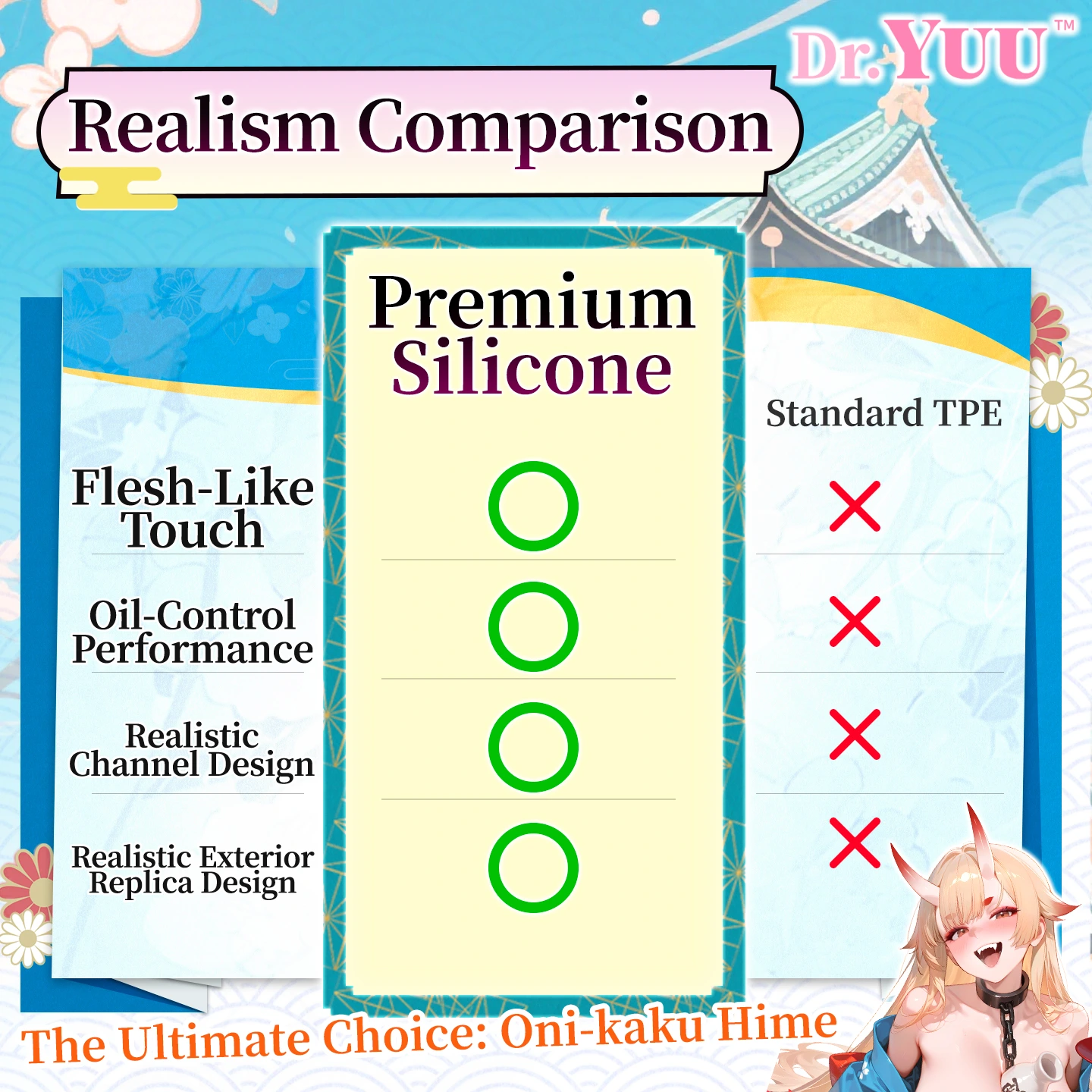
Comparison Table: Silicone vs TPE
| Feature | Silicone | TPE (Thermoplastic Elastomer) |
|---|---|---|
| Hygiene / Porosity | Non-porous and easier to keep clean | More porous and needs extra drying care |
| Tactile Feel | Firm, silky, and more structured | Ultra-soft, elastic, and more lifelike |
| Cleaning Difficulty | Low | Higher |
| Durability | Excellent when properly maintained | Moderate, with more visible wear over time |
| Price Point | Usually premium | Usually more affordable |
| Lube Compatibility | Water-based lubricant is the safest starting point | Water-based lubricant is the safest starting point |
Frequently Asked Questions (FAQ)
Can I use silicone-based lube on a silicone toy?
Answer: It is safer to use water-based lubricant unless the manufacturer specifically says silicone-based lube is compatible. Some silicone formulas can affect silicone toy surfaces.
Can I use silicone-based lube on a TPE toy?
Answer: It is best to avoid guessing here. TPE can react differently depending on the blend, so water-based lubricant remains the safer default unless the product instructions say otherwise.
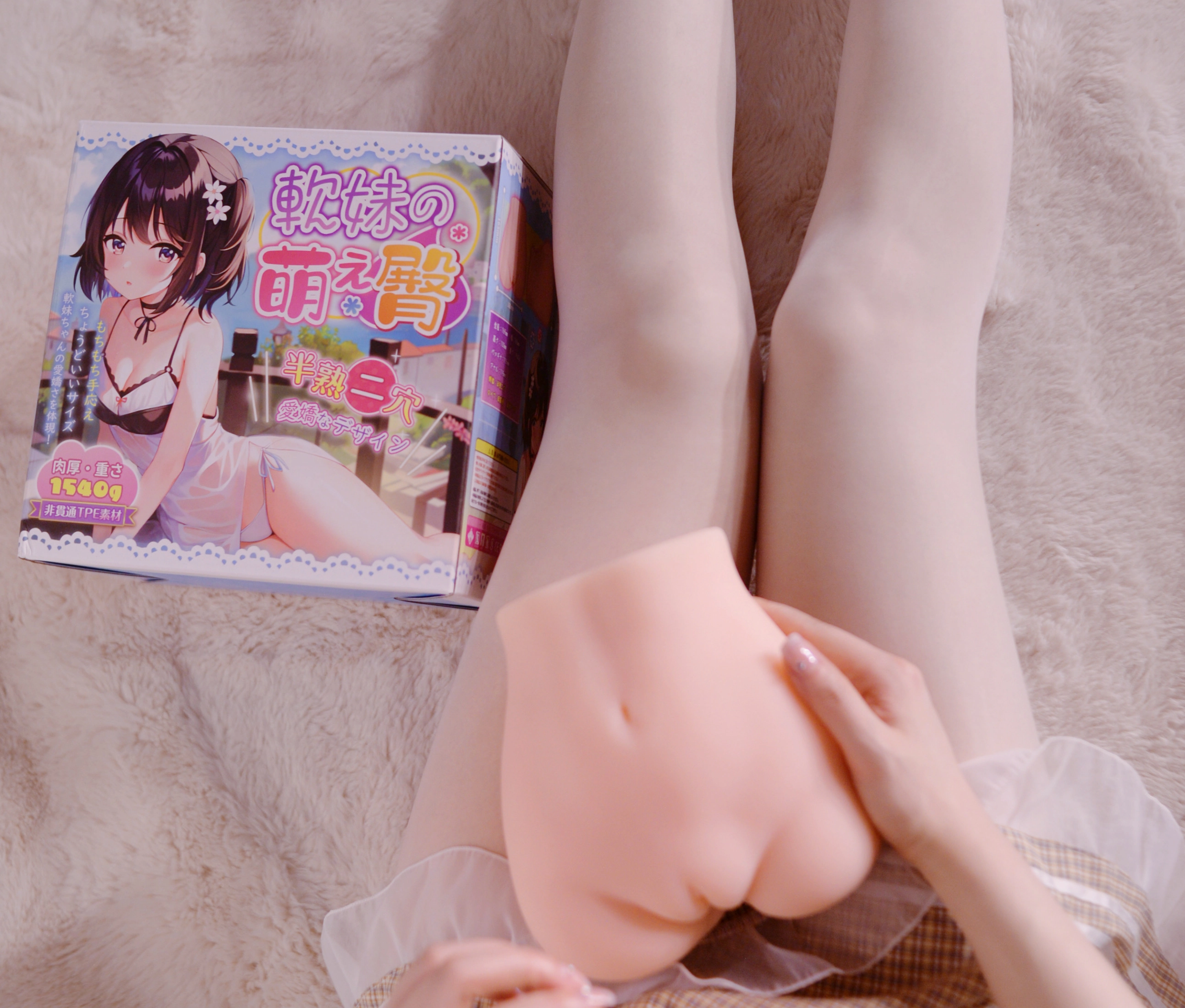
Why did my TPE toy get so sticky after washing it?
Answer: TPE can feel sticky if it is not dried fully or if its surface care is neglected after washing. Let it dry completely, then follow the product care instructions for renewal powder or another recommended finish.
How do I warm up these toys before use?
Answer: TPE material usually warms up quickly simply by being close to your skin. Silicone can take a bit longer. For both materials, the safest and easiest way to warm them up is to run warm, not boiling, water through the internal tunnel for a minute or two before applying water-based lube.
Make the Right Choice Based on Your Lifestyle
Choosing between a silicone and a TPE sex toy ultimately comes down to the kind of experience you want the masturbator to bring you and your tolerance for the cleaning work afterward. If you are chasing an ultimate, realistic, and authentic tactile experience and do not mind spending a few minutes on maintenance after every use, then a TPE toy can be a strong fit. However, if you want a hygienic, sturdy, and easy-to-clean toy, then silicone is the material to focus on.
Ready to upgrade your personal collection with a toy that fits your needs? Browse the Dr.YUU All Products collection to compare more options in one place.