 Electric
 Oral
 Heated
 Manual
 Butt
 Torso
 USD
If you're researching how to make pocket pussy designs at home, begin with the contact material, a removable structure, and a cleaning plan. A household supply list alone doesn't establish suitability for intimate use. This guide explains how to assess a DIY tutorial and compare ready-made options; it does not provide a tested fabrication recipe.
What does a DIY pocket pussy project involve?
A pocket pussy is a type of male masturbator with an internal channel. Homemade versions attempt to recreate that format using assembled or molded components. For adults 18+, the useful question is whether the proposed design identifies its contact surfaces and explains how every part will be maintained.
Separate making a new sleeve from arranging an existing toy for use at home. A towel placed on a tabletop is part of the surrounding setup. A material placed inside a channel becomes part of the contact surface and needs its own suitability and care information.
That distinction helps you assess what a tutorial actually delivers. Photographs of a finished assembly show its shape. They don't establish the material formulation, lubricant compatibility, or an approved cleaning method.

Check the materials before collecting supplies
A useful supply list identifies exact materials and their intended applications. Broad labels such as foam, rubber, plastic, TPE, or silicone leave important details unresolved. Look for documentation for the specific material proposed, including any coatings or adhesives.
| Proposed component | Information to establish first |
|---|---|
| Soft contact layer | Exact material, intended contact use, surface condition, and care directions. |
| Outer holder | Smooth accessible edges, removal access, and a design that avoids rigid compression. |
| Separate liner | Intended application, material compatibility, and replacement instructions. |
| Adhesive or coating | Whether it reaches a contact surface and whether its documented use permits that exposure. |
| Cleaning supplies | A method approved for every component that will be reused. |
Softness, appearance, and the absence of a noticeable smell cannot establish these details. An unnamed material in an online video gives you too little information to reproduce the design responsibly.
For casting projects, the exact compound's instructions must cover mixing, curing, and any finishing process. This article supplies no substitute ratios or curing times. A generic silicone label is insufficient to select a casting compound for an intimate-contact item.

Plan removal and cleaning before assembly
Consider the finished structure before buying anything. Can you remove the contact layer without cutting it? Can you inspect the inside? Does the tutorial explain what happens to moisture between components?
- Keep rigid edges, fasteners, and adhesive away from intended contact surfaces.
- Avoid a design that relies on tight bands or a constricting rigid opening to hold its shape.
- Account for access to both the sleeve and the holder during maintenance.
- Identify which components are reusable and which require replacement.
Do not force a fit or treat another person's measurements as a universal template. A liner also needs its own compatibility instructions; adding one does not establish that the complete assembly is suitable.
Work through the maintenance routine
Before committing to a design, describe its cleanup from start to finish. If a tutorial stops at assembly, it leaves a significant part of ownership unexplained.
- Identify all surfaces exposed during use, including gaps between separate parts.
- Find the approved washing method and compatible cleanser for each reusable component.
- Confirm how those components can be rinsed, inspected, and dried.
- Plan storage according to the material instructions, including separation from other items where required.
A closed-ended channel needs a documented way to drain and dry its interior. Do not assume you can turn a sleeve inside out, apply heat, or use a brush simply because the opening is accessible.
Follow the specific product instructions for cleaning after use and drying before storage. If you cannot establish a workable care method for a homemade component, pause the project rather than inventing one.
Compare the full cost with a manual toy
A DIY estimate should include every required item: contact materials, the holder, approved care supplies, replacements, and any tools. Count a pack you must purchase at its purchase price, even if the tutorial uses only part of it.
Then compare that total with a ready-made manual product whose current listing provides material details, dimensions, and care information. Without current prices and replacement schedules, neither approach has a demonstrated cost advantage.
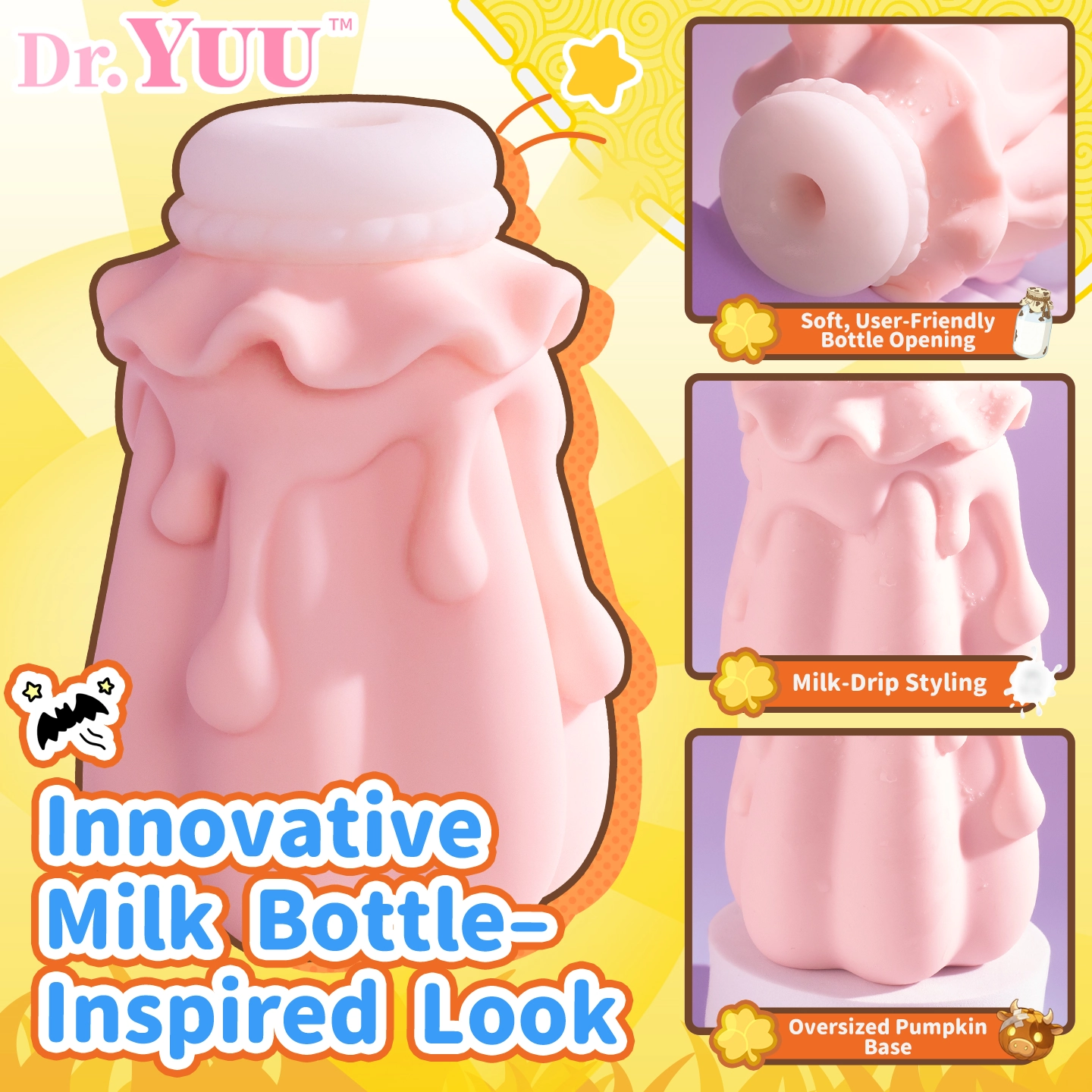
The Dr.YUU manual stroker collection is a place to begin that comparison. Evaluate each listing separately; a collection name does not establish which model has the lowest lifetime cost.

Where do anime designs fit into the decision?
Anime sex toys can add a character-inspired visual style to a manual or powered design. Appearance is one preference alongside material, size, channel access, storage space, and the care routine.
Check those practical details before choosing a theme. A decorative exterior does not tell you whether a sleeve is removable, which lubricant is compatible, or how the interior should be cleaned.
For more context while comparing listings, visit Dr.YUU Product Features & Technology. Confirm the specifications and instructions for the exact model you intend to buy.
Frequently asked questions
Can I use a household sponge or towel as the contact layer?
A household label does not establish suitability for intimate contact. Without material and care information covering the intended use, this guide cannot recommend either as a homemade sleeve component.
Does adding a liner resolve the material questions?
The liner needs its own intended-use and compatibility information. It also does not address removal access, rigid edges, compression, or maintenance of the surrounding structure.
Is a homemade version always cheaper?
No. Compare the complete supply purchase, tools, maintenance items, and replacements with a current product price. A reliable comparison needs the same cost categories on both sides.
Does a silicone label tell me how to make a sleeve?
No. It does not identify the exact compound or provide mixing, curing, finishing, or intended-contact documentation. Use the manufacturer's instructions for the specific material; do not substitute generic online ratios.
Do anime sex toys have different care requirements?
The requirements depend on the actual material, construction, and any electronics. Follow the model's instructions rather than inferring care from its artwork or theme.
Choose a design you can maintain
Use the full Dr.YUU product collection to compare documented materials, dimensions, and care requirements. Keep your shortlist to designs whose setup and maintenance fit your routine.
Continue reading in the Dr.YUU blog as you compare product types.